Secure Satellite Link enables secure communication for ground to space, space to space and ground to ground operations.
Through encryption, the SSL ensures both communication link confidentiality and integrity, while employing authentication to prevent loss of ownership. Engineered for space application, its compact, low-mass system provides a cost-efficient solution to meet mission needs.

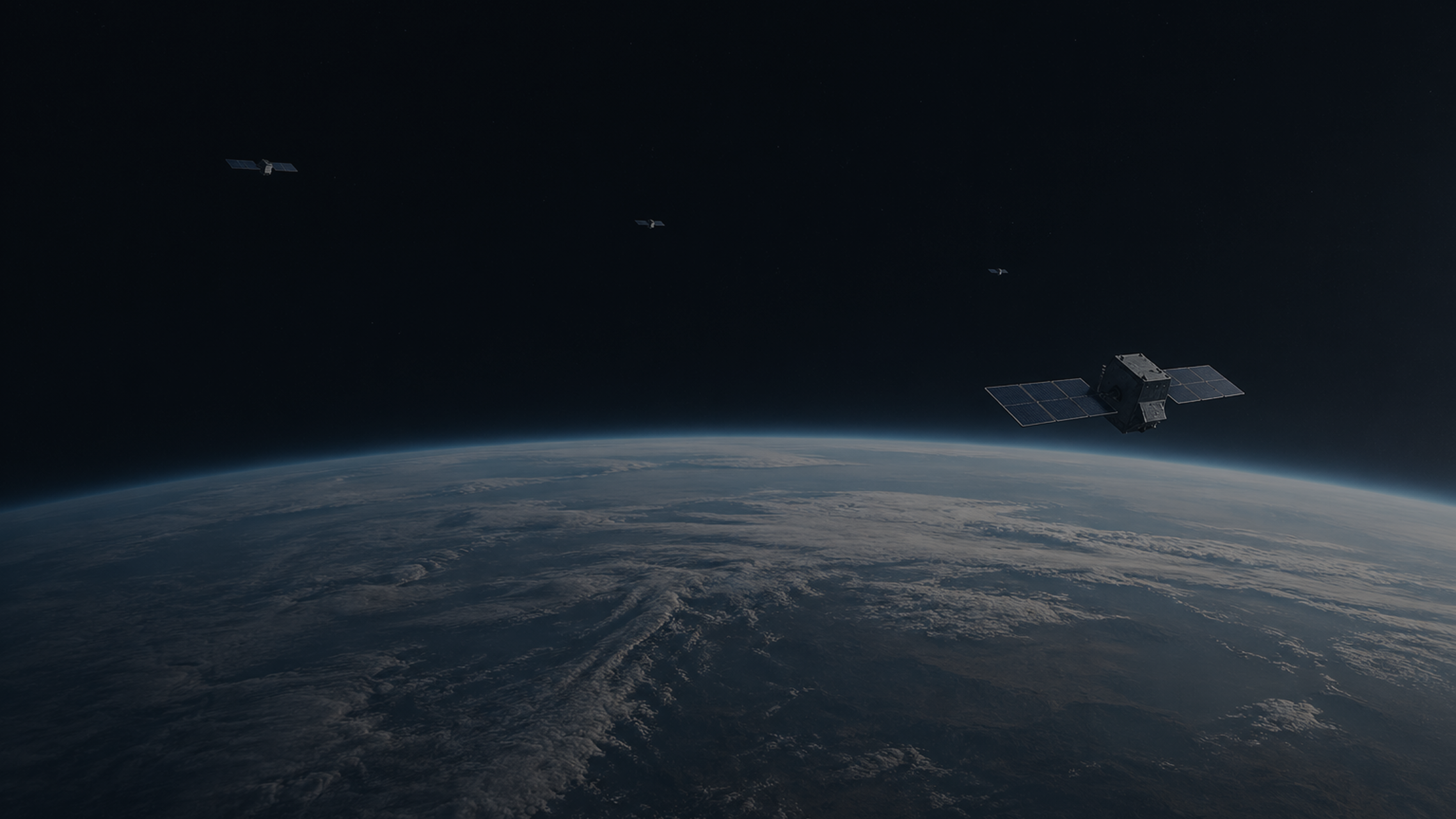
Whether on ground or in space, the encryption units will encrypt satellite telemetry and commands as well as payload data. This includes high resolution images and video for radio transmission. The protected data stream can be routed to one or more reception locations, whether on ground, in air or in space.

The SSL hardware has significant heritage from rugged, harsh environments in defence and space applications, with security that is designed for Hemmelig (equal to NATO SECRET).

The SSL includes key management solutions for both encryption on-ground and on-board in space. Keys can be uploaded just prior to launch, alleviating the need for special security measures during both transport, assembly, and storage, while significantly reducing cost, complexity, and risk.
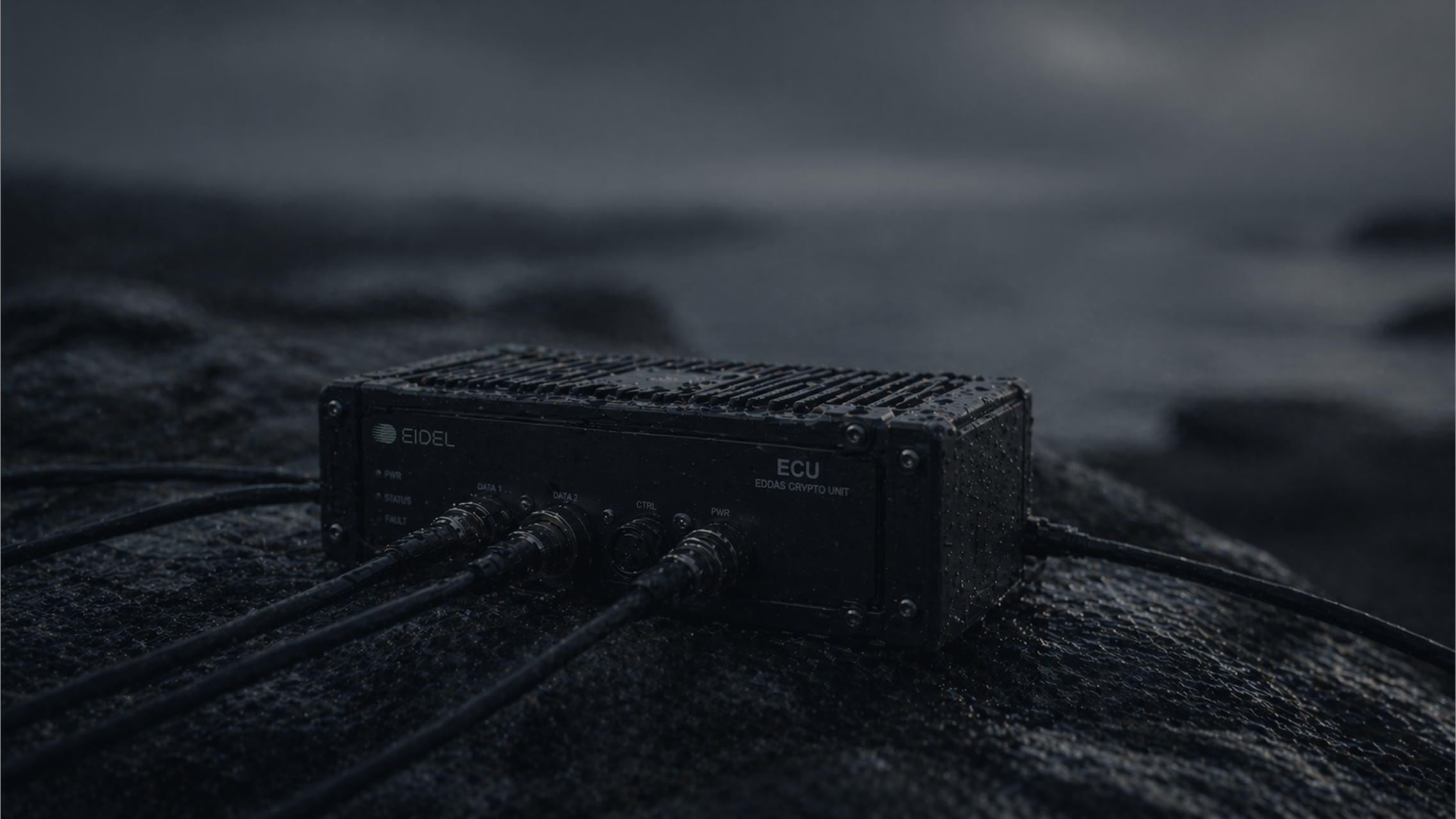
The system consists of hardware units for the space segment called Nanosatellite Crypto Units (NCU), and Ground Crypto Units (GCU) for the ground segment, supported by SSL routers and management software.
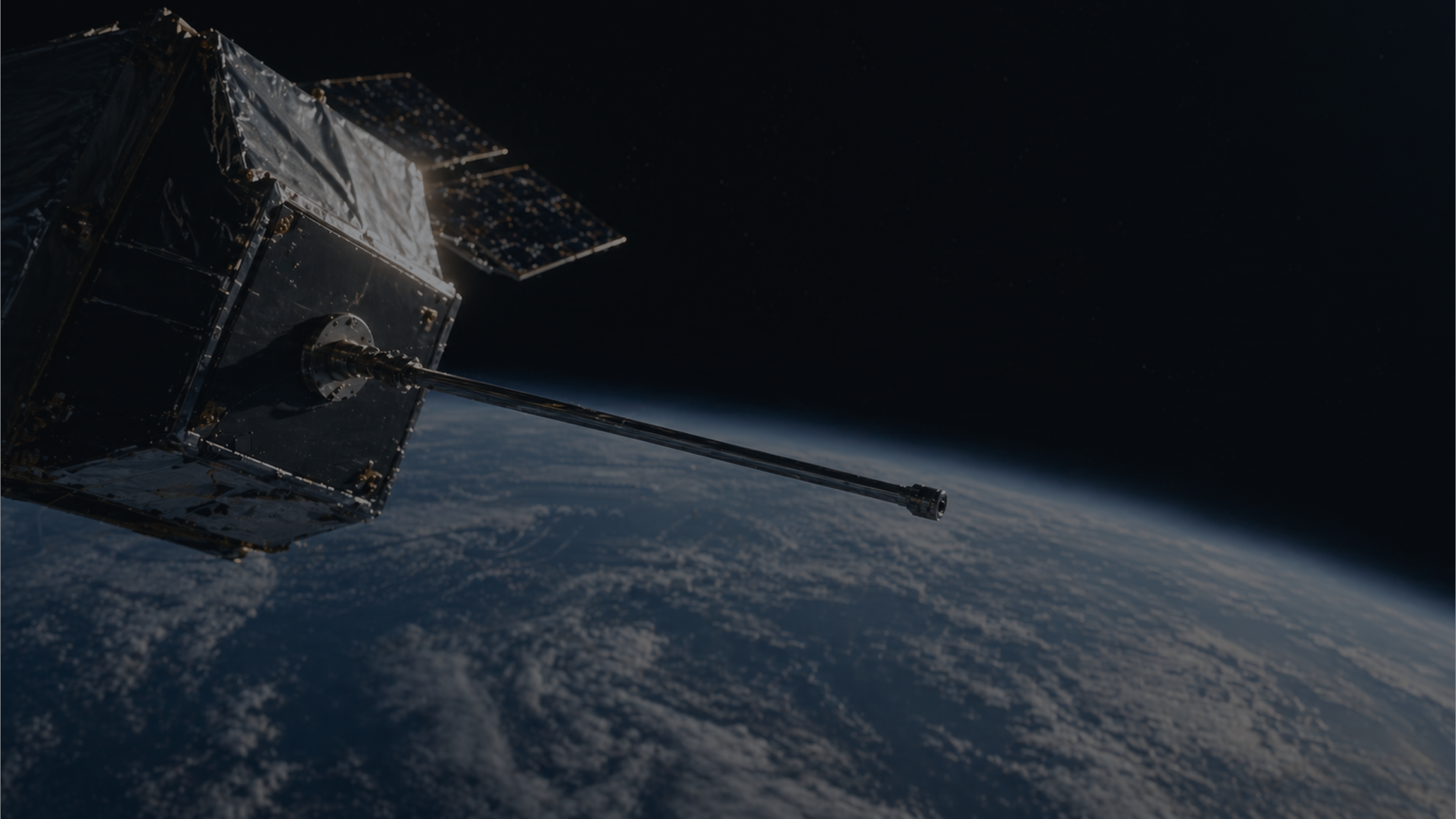
The space segment, NCU, is equipped with housekeeping, firecodes and low power functions that support the overall satellite needs. The NCU is a compact and rugged encryption device that provides a symmetrical end-to-end encryption that is designed to protect information up to and including HEMMELIG. It is connected as a Ethernet interface, and the protected information is wrapped in the CCSDS TM space protocol, which is well suited for radio transmission. Used on autonomous systems it can encrypt images, video, location data and other information in the data stream if the radio transmission or network connection allows sufficient data flow.

End-to-end encryption protection prevents unauthorised dissemination of information, whether the autonomous system portrays the situation at an injury site or follows people who should be unaware of the surveillance.
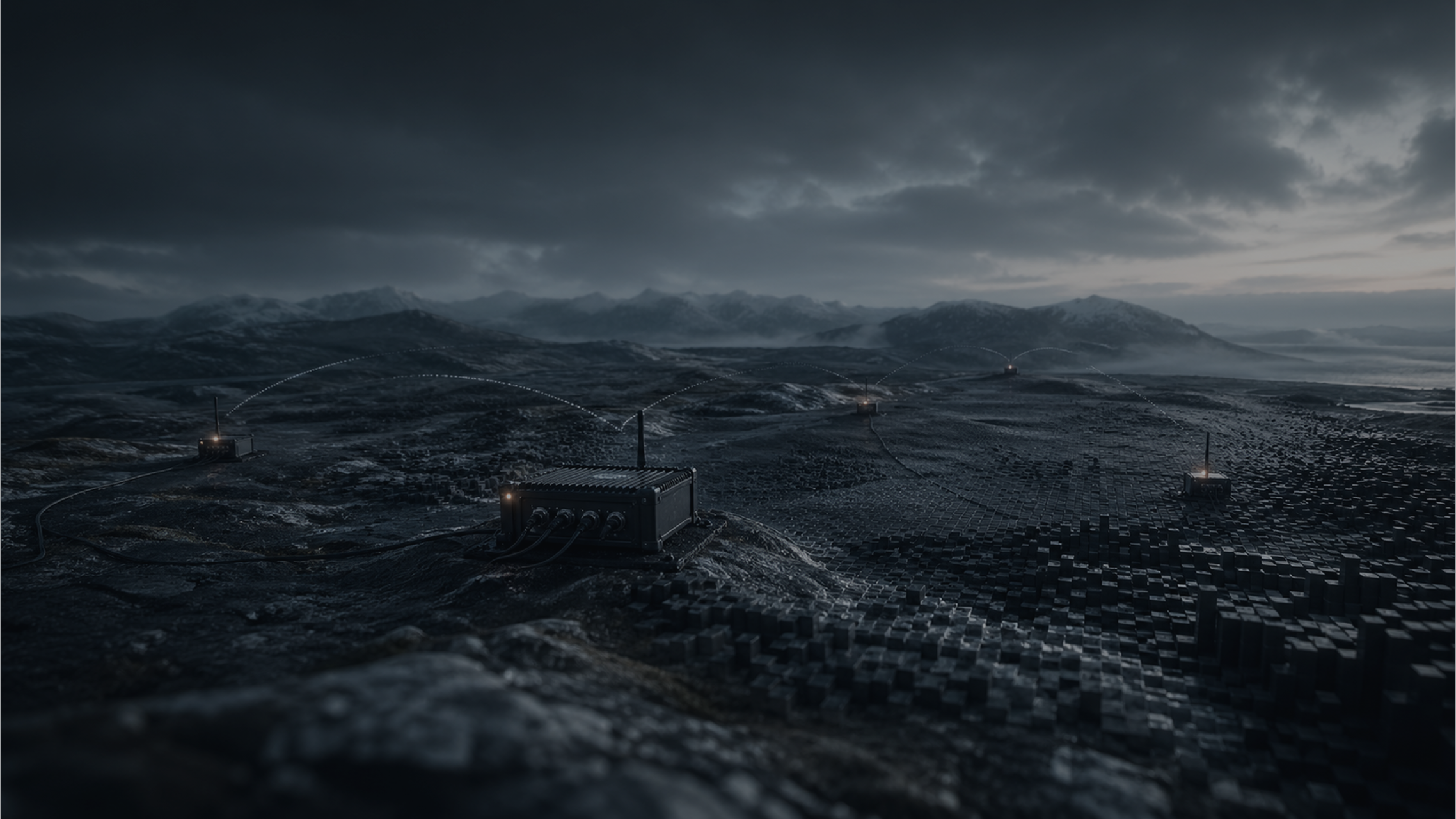
The protected data stream can be routed to one or more reception locations, whether fixed, mobile or flying. The solution can protect previously communicated information even if the drone crashes or ends up on unauthorized hands. With two-way radio-based network connection, communication can be protected in both directions. It will not be possible to take control of the autonomous system in an unauthorized manner if it is controlled in this way. In addition, communication over networks can easily be done over great distances, and drone control from one common location for the entire country is thus a possibility.

Technical
Specifications
Ground to Space
Command up-link and Re-key
Space to Ground
Telemetry (NCU/GCU bandwith: 5 Mb/s) and Payload downlink (IpCore/HCU Bandwith: 5 Gb/s)
Protocols
Ethernet, LVDS
Operating Temperature
-20°C to +60°C
EMC, TEMPEST and Environments
MILD-STD-461F, SDIP-27 level A, MIL-STD-810F
Approved for
BEGRENSET (equal to RESTRICTED). Designed for Hemmelig (equal to NATO SECRET). Pending approval.
Protection
CIK for CCI handling and post-operation, Tampering protection, Suite B (AES-256-GCM) for traffic flow, Benign re-keying offline protection (black keys)
Cryptographic Primatives
CTR-AES-256, ECIES-521, ECDSA-521
Cryptographic Encapsulations
Data link confidentiality, Integrity and Authentication
Dimensions and Mass
NCU: 153x35.4x118mm, mass ~649 g. s ±10 % GCU: 110x56x99mm, mass < 1100 g