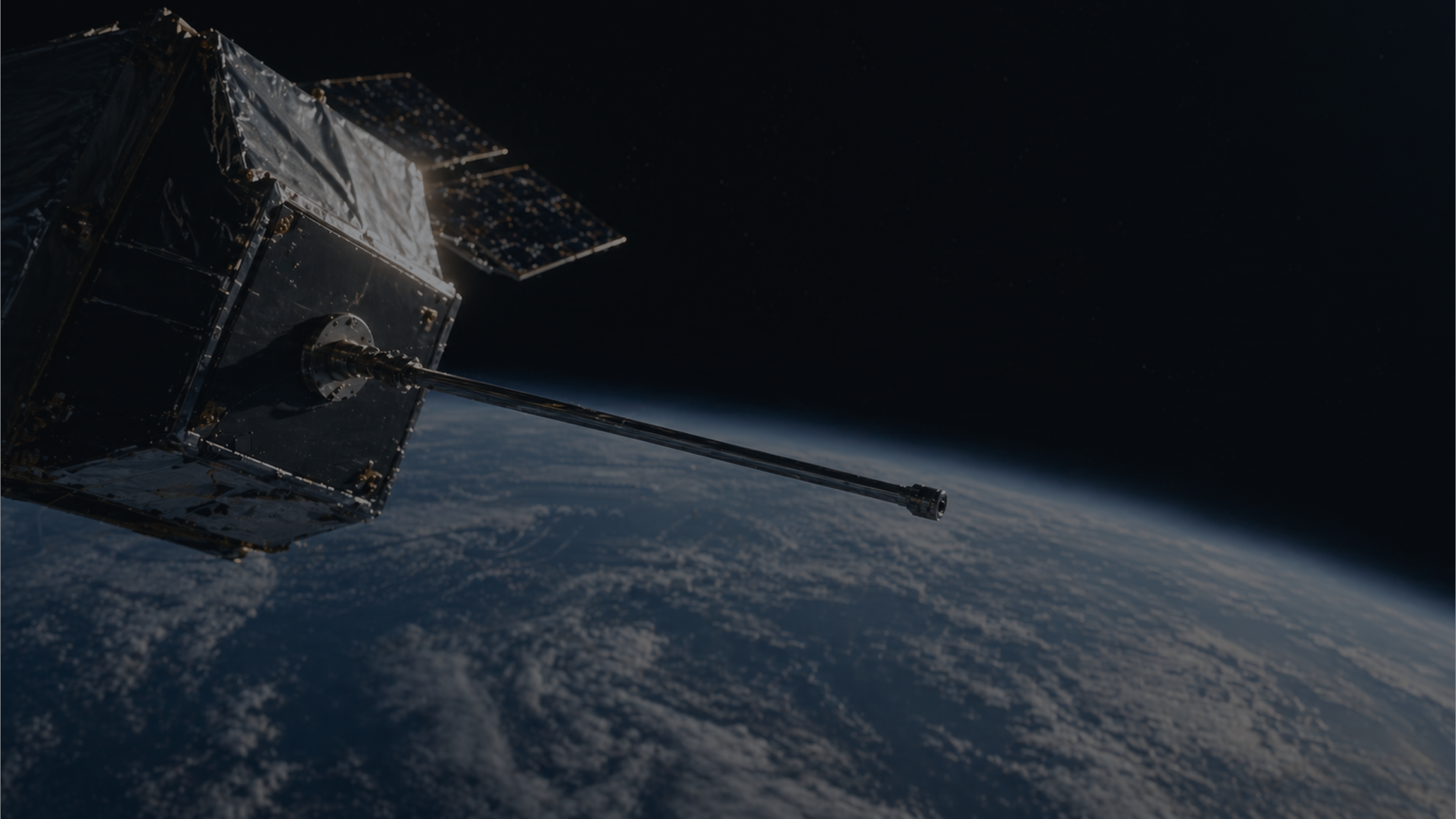
The mNLP is a miniaturized, space-proven instrument designed to measure ionospheric plasma density with unprecedented sub-meter resolution.
Unlike traditional Langmuir probes that require voltage sweeping, the mNLP system utilizes multiple needles to perform simultaneous measurements, achieving an exceptionally high sampling frequency of up to 10 kHz. This breakthrough capability is critical for resolving small-scale ionospheric plasma structures and turbulence that can severely impact the reliability of GNSS and communication signals. Developed in close collaboration with the University of Oslo (UiO), the system’s miniaturized design has a proven flight heritage from numerous international missions on sounding rockets and satellites.
As the only instrument currently capable of resolving ionospheric plasma structures at scales below one meter, it provides unparalleled scientific insights into small-scale plasma irregularities.
By utilizing multiple needles to perform simultaneous measurements, the system offers an exceptionally high sampling frequency of up to 10 kHz without the need for traditional voltage sweeping.
With an extensive flight history on various sounding rockets and satellites, the mNLP system has a proven heritage on numerous international missions and is built to withstand the harshest space environments.
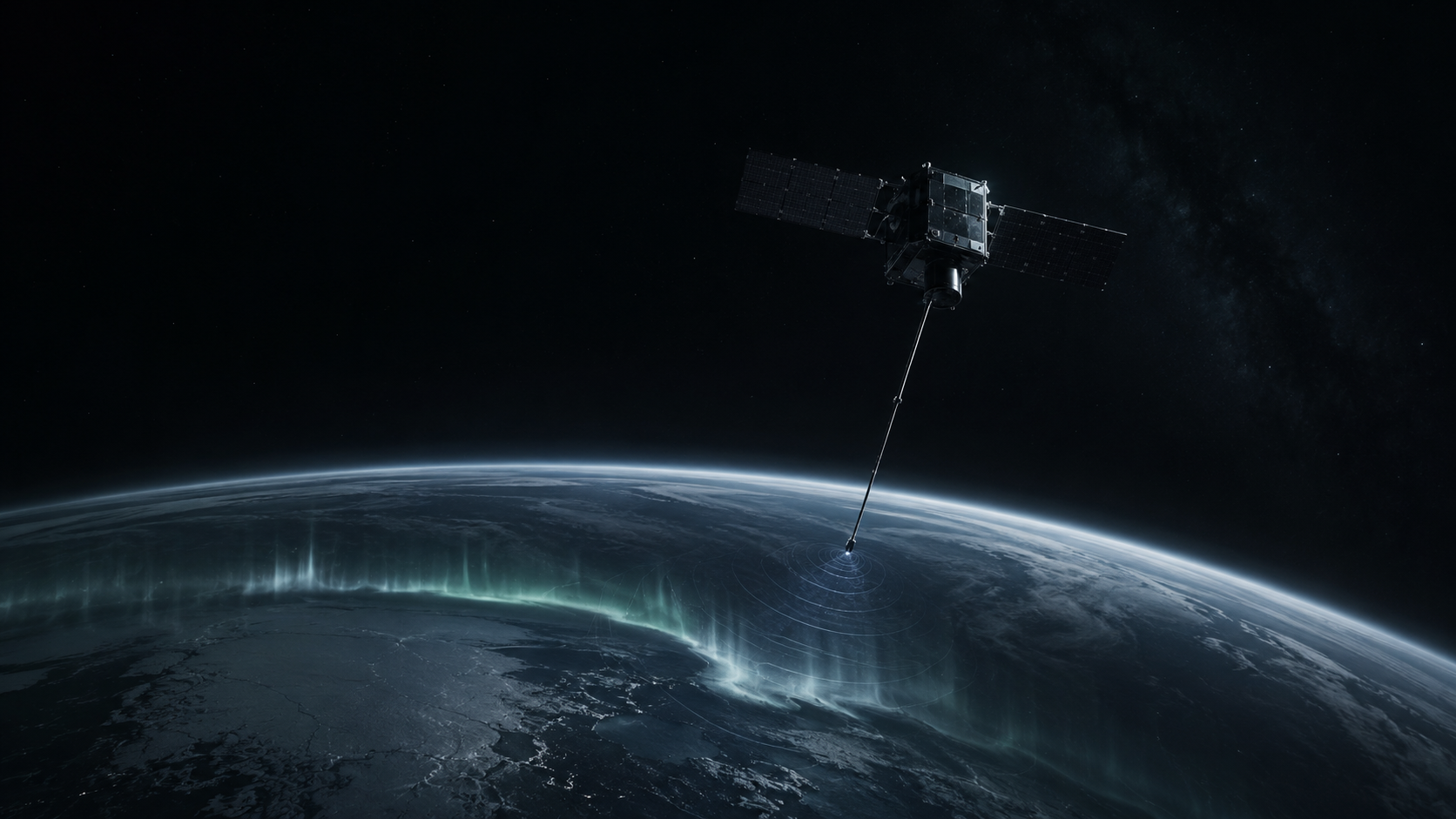
Developed in close collaboration with the University of Oslo (UiO), the mNLP system represents a breakthrough in ionospheric research.
Unlike traditional Langmuir probes that require voltage sweeping, the mNLP uses multiple needles to perform simultaneous measurements. This allows for a much higher sampling rate, which is critical for studying ionospheric turbulence and its impact on GNSS and communication signals.
The miniaturized design makes the mNLP ideal for a wide range of platforms, from sounding rockets to CubeSats and larger satellites.
The system has been successfully deployed on numerous international missions, providing high-resolution data for the global scientific community. Its small form factor and low power consumption allow for easy integration into various space-borne research platforms without compromising performance

Technical
Specifications
Sampling Rate
Up to 10 kHz.
Resolution
Sub-meter plasma scale.
Measurement Method
Multi-needle simultaneous sampling (no voltage sweep required).
Platforms
Sounding rockets, CubeSats, and research satellites.
Development
In collaboration with the University of Oslo (UiO).
Heritage
Extensive flight heritage on international space missions.